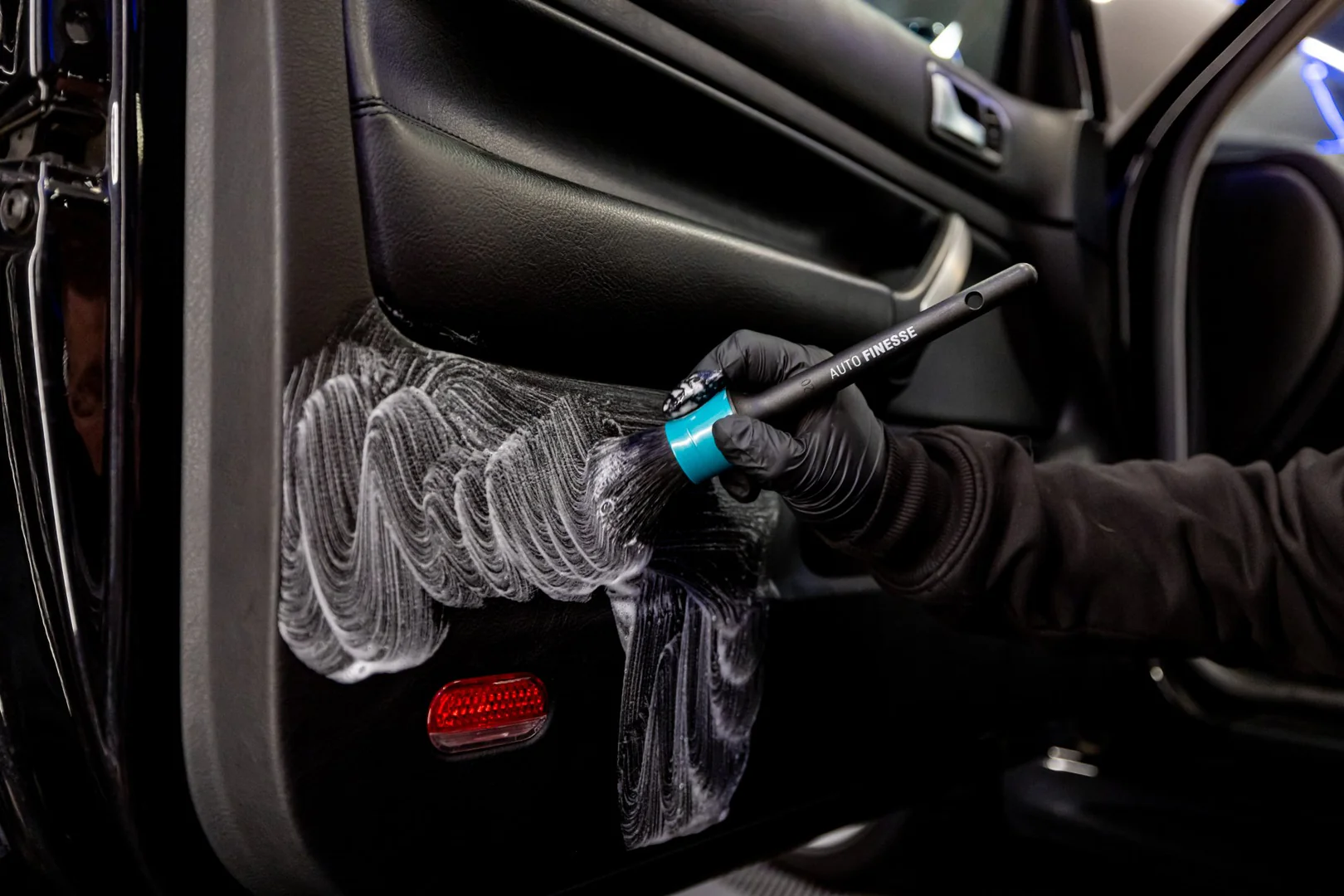
Maintaining a clean vehicle interior requires understanding different materials, establishing practical routines, and knowing how to address specific issues when they arise. Unlike exterior washing, which mainly involves removing dirt and contaminants, interior care includes multiple surfaces—each with different requirements and vulnerabilities.
A clean interior isn't just about appearance. It affects your daily driving experience, helps maintain vehicle value, and creates a more pleasant environment for passengers. Regular interior maintenance prevents problems from developing rather than requiring intensive correction later.
Daily Maintenance Habits
The most effective interior care starts with preventing dirt and debris from accumulating. Simple daily habits make a significant difference without requiring much time or effort.
Remove trash daily rather than letting it accumulate. This takes seconds but prevents clutter buildup. Keep a small trash receptacle in your vehicle—even a plastic bag works—and empty it when you arrive home. This habit alone prevents most interior mess.
Wipe your feet before entering, especially during wet or muddy weather. This simple action reduces the amount of dirt tracked onto carpets and floor mats dramatically. While it seems obvious, consciously doing this makes interior maintenance much easier.
Use floor mats and replace them when worn. Quality floor mats protect carpeting from wear, stains, and moisture. They're much easier to clean or replace than carpeting itself. Check mats periodically and remove them for cleaning when they show buildup.
Address spills immediately when they occur. Fresh spills wipe away easily; dried spills become stains requiring specialized treatment. Keep basic cleaning supplies in your vehicle—paper towels or microfiber cloths handle most immediate cleanup needs.
Weekly Routine Tasks
Weekly maintenance keeps your interior consistently clean without requiring extensive time. These tasks take 15-20 minutes and prevent the need for more intensive cleaning.
Vacuuming forms the foundation of weekly interior care. Focus on seats, floor mats, carpets, and the areas around pedals where debris accumulates. Use crevice attachments to reach between seats and in door pockets. Pay attention to seat seams where crumbs collect.
Don't forget to vacuum under floor mats. Dirt works its way underneath, and this hidden debris can damage carpet fibers over time. Remove mats completely for thorough carpet vacuuming.
Surface wiping addresses dust and fingerprints on the dashboard, console, door panels, and steering wheel. Use a microfiber cloth slightly dampened with water or appropriate cleaner. Avoid excess moisture, which can damage electronics or seep into seams.
Glass cleaning improves visibility and overall appearance. Interior glass accumulates film from outgassing plastics and skin oils. Use an automotive glass cleaner—household cleaners can leave residue or damage tinted windows. Clean both sides of windows, as interior surfaces often show more smudging.
Trash removal goes beyond daily spot cleaning. Check all storage areas, door pockets, and under seats for accumulated items. Reorganize what you're keeping and remove what doesn't belong in the vehicle.
Monthly Deep Cleaning Approach
Monthly deep cleaning addresses areas that weekly maintenance doesn't cover thoroughly. This more intensive session takes 30-45 minutes but maintains overall interior condition.
Dashboard and console attention means cleaning vents, buttons, and detailed areas that weekly wiping skips. Use soft brushes or cotton swabs for vents and tight spaces. Apply appropriate protectant to plastic surfaces if desired, though avoid products that leave glossy residue, which can cause glare and attract dust.
Door panel and trim care includes cleaning door handles, window switches, and armrests—high-touch areas that accumulate oils and dirt. Remove any built-up grime from door seals, which can transfer to clothing.
Seat maintenance varies by material but generally includes addressing visible soiling and treating surfaces appropriately. For fabric seats, this might mean spot cleaning visible stains. For leather, it involves cleaning and conditioning. For vinyl, it means removing buildup and protecting against UV damage.
Carpet treatment goes beyond vacuuming to address any stains or heavy soiling in carpeted areas. Use appropriate carpet cleaners for automotive interiors—these are formulated to work on the specific materials and dyes used in vehicles.
Material-Specific Care Techniques
Different interior materials require different approaches. Using wrong products or techniques can cause damage, so understanding material-specific care matters.
Leather care requires regular cleaning and periodic conditioning. Leather needs moisture to remain supple; without it, leather dries, cracks, and deteriorates. Use cleaners specifically formulated for automotive leather—household leather cleaners may be too harsh or leave residue.
Clean leather surfaces with appropriate cleaner and a soft cloth, working in sections. Don't saturate leather with moisture. After cleaning, apply leather conditioner following product directions. Most leather benefits from conditioning every 3-4 months, though very dry or sun-exposed leather might need more frequent treatment.
Perforated leather requires extra care—avoid pushing dirt into perforations during cleaning. Use light pressure and brush attachments when vacuuming perforated sections.
Fabric upholstery generally tolerates more aggressive cleaning than leather but can still be damaged by harsh chemicals or excessive moisture. Use foam-type upholstery cleaners designed for automotive fabrics. These products lift dirt without soaking fabric, which is important because vehicle seats have limited drying circulation.
When cleaning fabric, work in small sections and extract as much cleaner as possible. Excess moisture trapped in seat foam creates mold and odor problems. Allow adequate drying time—preferably with windows open or air circulation—before regular use.
Vinyl surfaces are common on dashboards, door panels, and some seats. Vinyl resists staining better than fabric or leather but can become brittle with age and UV exposure. Clean vinyl with mild, pH-neutral cleaners. Avoid products containing silicone, which can create slippery surfaces and attract dust.
UV protectants help prevent vinyl from cracking and fading, particularly important for dashboard surfaces facing constant sun exposure through the windshield.
Plastic trim and components throughout the interior need cleaning but generally tolerate various products well. Textured plastics collect dust in crevices; use soft brushes to dislodge this buildup. Avoid harsh solvents that can fade plastic or damage textured finishes.
Addressing Interior Odors
Interior odors indicate problems requiring attention rather than simple masking with air fresheners. Effective odor elimination requires finding and addressing the source.
Moisture-related odors typically smell musty or mildewy. These indicate moisture trapped in carpets, under seats, or in the ventilation system. Address moisture odors by finding and eliminating the moisture source. This might mean drying wet carpets thoroughly, cleaning the cabin air filter, or running the air conditioning to reduce humidity.
Food and organic odors come from spills, crumbs, or forgotten food items. These require thorough cleaning and removal of the source. Check under seats and in storage areas for forgotten items. Clean any visible residue and vacuum thoroughly. For persistent organic odors, enzyme-based cleaners break down odor-causing compounds.
Smoke odors from cigarettes or other sources penetrate fabrics and are notoriously difficult to remove. Address smoke odors by cleaning all surfaces—upholstery, carpets, headliner, and hard surfaces. Replace the cabin air filter, which absorbs smoke particles. Professional ozone treatment effectively eliminates persistent smoke odors but requires proper application.
Chemical or petroleum odors might indicate spills, leaks, or mechanical issues. These warrant attention beyond cleaning—determine if the source is a spill you can clean or a mechanical problem requiring professional attention.
Stain Removal Techniques
Different stains require different approaches. Acting quickly improves success rates dramatically, but even set-in stains often respond to proper treatment.
Coffee and beverage stains should be blotted immediately to absorb as much liquid as possible. Don't rub, which spreads the stain. After blotting, use upholstery cleaner appropriate for your material. Multiple applications might be needed for dark beverages on light materials.
Grease and oil stains require specific treatment. Blot excess oil, then apply a small amount of dish soap diluted in water. Dish soap breaks down oils without damaging most automotive fabrics. Rinse thoroughly after treatment to remove soap residue.
Ink stains challenge removal efforts but often respond to isopropyl alcohol applied carefully with cotton swabs. Test in an inconspicuous area first, as some dyes react to alcohol. Blot rather than rub to lift ink without spreading it.
Mud and dirt stains should dry completely before treatment. Vacuum dried mud first, then address remaining staining with appropriate upholstery cleaner. Trying to clean wet mud often makes the problem worse by spreading it.
Professional Cleaning Benefits
While regular home maintenance keeps interiors presentable, professional cleaning provides deeper results that home efforts can't match.
Professional equipment extracts more moisture and cleaning solution than home vacuum cleaners, resulting in faster drying and more thorough cleaning. Steam cleaning penetrates deeply into upholstery and carpeting, removing embedded dirt and sanitizing surfaces.
Professionals have experience with various materials and stain types, using appropriate products and techniques for each situation. They also access specialized treatments for stubborn problems like pet odors or heavy staining.
Consider professional interior cleaning 1-2 times yearly as part of overall vehicle maintenance. This periodic deep cleaning supplements regular home maintenance and addresses issues before they become serious problems.
Maintaining Long-Term Interior Condition
Consistent care preserves interior quality far better than periodic intensive cleaning. Small, regular efforts prevent the deterioration that eventually requires expensive restoration or replacement.
Use sunshades when parking in direct sunlight. UV exposure fades materials and makes plastics brittle. Simple sunshades significantly reduce interior temperature and UV damage.
Avoid eating in the vehicle when possible. If eating is necessary, use napkins and remove trash immediately. Food particles attract pests and create cleaning challenges.
Address small problems immediately. A small stain or tear becomes worse if ignored. Early attention prevents minor issues from becoming major problems requiring professional restoration.
Professional Interior Detailing
Omirana's interior deep cleaning service provides thorough cleaning, stain treatment, and sanitization using professional equipment and techniques. Periodic professional service maintains your interior's condition and complements regular home care.
View Interior Services